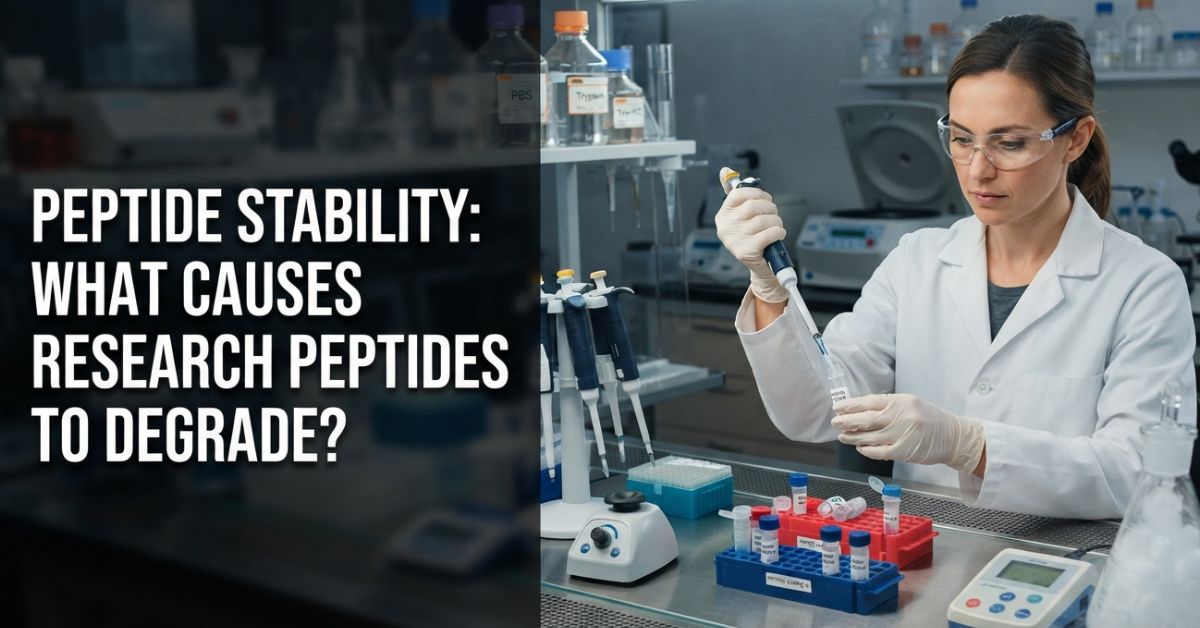
Peptides can change over time, but the rate and type of change are not the same for every compound. Temperature, moisture, oxygen, pH, light, and routine laboratory handling can all influence how well a peptide maintains its original form.
Understanding peptide stability is therefore an important part of working with research materials. Knowing what encourages degradation also helps researchers recognize which conditions may affect the quality and consistency of a sample.
What Does Peptide Stability Mean?
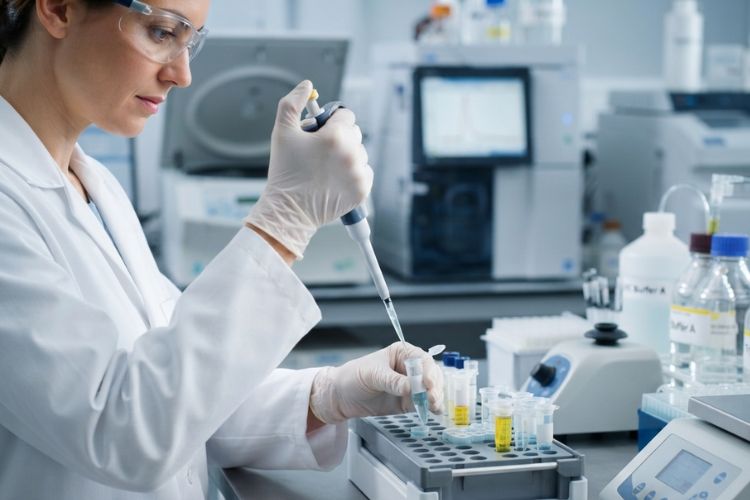
In laboratory research, peptide stability describes how well a peptide maintains its chemical and physical properties over a given period. A stable sample should remain reasonably consistent under the conditions in which it is stored and handled.
Stability is not a fixed characteristic shared by every peptide. Amino acid sequence, molecular structure, formulation, and physical form can all influence research peptide stability.
Why Do Research Peptides Degrade?
Peptides contain bonds and amino acid residues that can undergo chemical changes when exposed to certain conditions. Some changes happen gradually, while others may develop more quickly when the surrounding environment becomes unfavorable.
Common influences on peptide degradation include temperature, water, oxygen, light, pH, and repeated handling. How strongly each factor affects a sample depends on the characteristics of the individual peptide.
Environmental Factors That Can Affect Peptide Stability
The conditions surrounding a peptide can influence how well it maintains its original properties over time.
Temperature
Temperature can influence the rate of many chemical reactions. Excessive heat or frequent temperature changes may place additional stress on a peptide and increase the chance of unwanted molecular changes.
Recommended conditions can vary between compounds, so peptide stability should be considered using information specific to the material being studied.
Moisture and Water
Water can affect peptides in both dry and solution forms. Exposure to moisture may encourage certain reactions, while dissolving a peptide creates a different chemical environment from its original dry state.
The amount of water present, temperature, pH, and length of exposure can all play a role in research peptide stability.
Oxygen and Light
Some amino acid residues are more sensitive to oxygen than others. Contact with oxygen can contribute to oxidative modification, while light may encourage changes in compounds that are particularly sensitive to exposure.
These reactions are not always visible, which means a sample can appear unchanged even when its chemical profile has started to shift.
pH
Both strongly acidic and alkaline conditions can affect certain peptide bonds or amino acid side chains. The effect depends heavily on the peptide sequence and the surrounding solution.
This is one reason researchers consider pH when preparing and evaluating peptide samples rather than assuming the same conditions are suitable for every compound.
The Main Ways Peptides Can Break Down
Environmental conditions explain why degradation may begin. The next step is understanding what can actually happen to the molecule.
Peptide Oxidation
Peptide oxidation involves chemical modification of susceptible amino acid residues. Methionine, cysteine, and some other residues can be particularly vulnerable depending on the peptide and surrounding conditions.
Oxygen, light, and trace metals may contribute to peptide oxidation in some samples. Because the change occurs at a molecular level, analytical testing may be needed to identify it.
Managing unnecessary environmental exposure can therefore be relevant when peptide oxidation is a known concern for a particular compound.
Peptide Hydrolysis
Peptide hydrolysis involves the cleavage of chemical bonds through reactions involving water. Its likelihood can be influenced by temperature, pH, peptide sequence, and the amount of time a sample remains in solution.
Not every peptide experiences peptide hydrolysis at the same rate. The molecular structure and conditions surrounding the sample determine how significant this pathway may become.
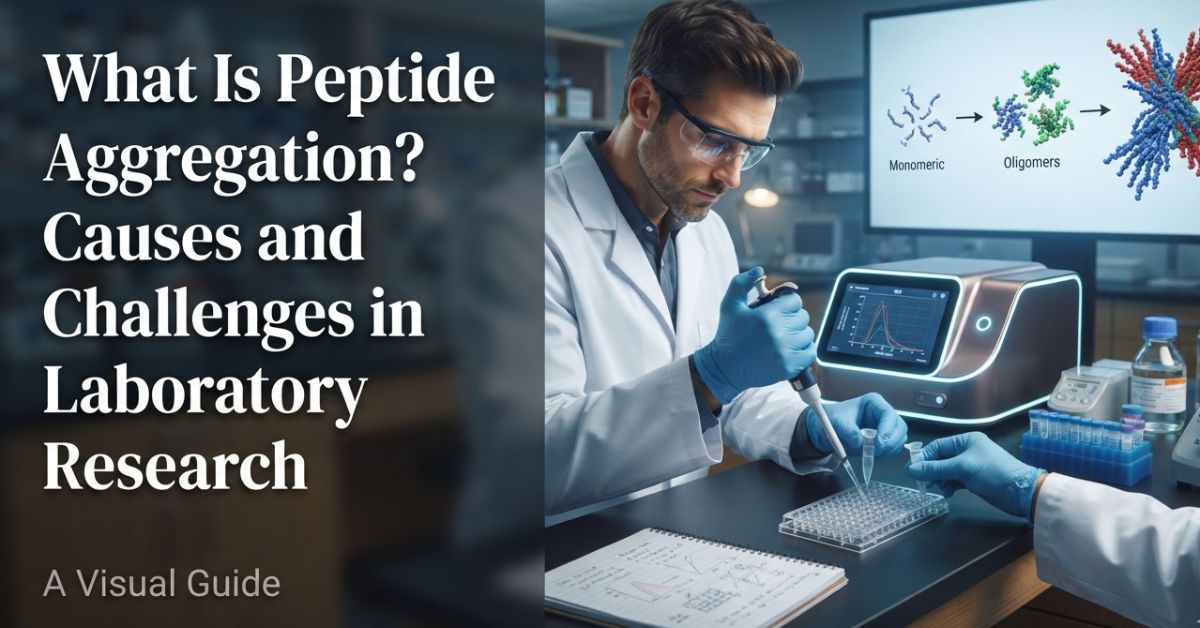
Peptide Aggregation
Peptide aggregation occurs when peptide molecules begin associating with one another instead of remaining individually dispersed. This can change the physical behavior of a sample and may sometimes affect its solubility.
Sequence, concentration, temperature, and solution conditions can all influence peptide aggregation. In some cases, aggregation may become visible, while smaller molecular associations can be harder to recognize.
Because peptide aggregation is a physical change rather than simply chemical bond breakdown, it shows why degradation and instability can take several different forms.
Lyophilized vs Reconstituted Peptide Stability
A peptide in dry form exists in a different environment from one that has been dissolved. Once water is introduced, additional chemical reactions may become possible, and storage requirements can change.
This does not mean every dry peptide has the same stability profile or that every peptide becomes unstable immediately after reconstitution. Research peptide stability still depends on the individual compound, formulation, temperature, solution conditions, and handling history.
Questions about specific compounds can also require more focused information. For example, understanding what Is melanotan peptide? provides useful background on the compound itself before considering its individual research characteristics.
Can Freeze-Thaw Cycles Affect Peptides?
Repeated freezing and thawing expose a sample to recurring physical and temperature changes. Depending on the peptide, these shifts may influence molecular interactions or contribute to other forms of instability.
Reducing unnecessary handling and following compound-specific guidance can help limit avoidable changes. This is particularly relevant when samples need to be accessed at several points during a research project.
How Do Researchers Evaluate Peptide Stability?
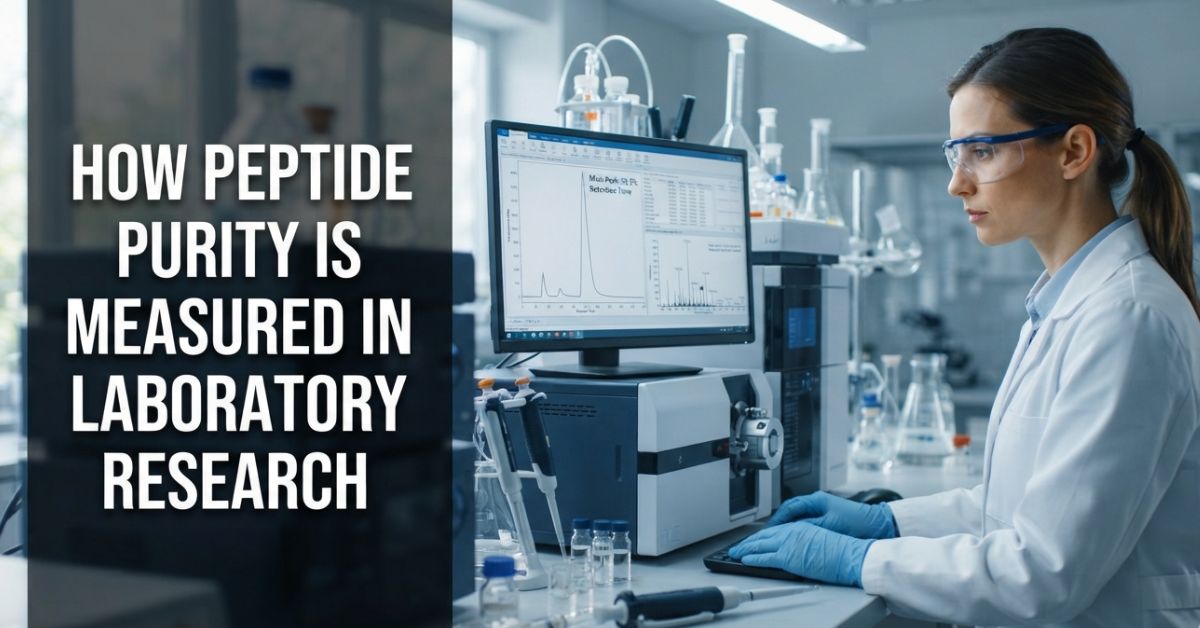
Appearance alone cannot provide a complete picture of sample quality. Researchers use peptide analysis to examine characteristics that may not be visible, including changes in purity or molecular composition.
Techniques such as HPLC can separate components within a sample, while mass spectrometry provides information about molecular mass and identity. Together with other methods, peptide characterization can help researchers build a clearer picture of the material being studied.
Understanding research peptide purity explained can also help distinguish purity from stability. A purity value describes the composition of a sample at a particular point, while stability considers how that material may change under specific conditions over time.
Why Peptide Characterization Matters?
When a sample changes, researchers need more information than whether the vial still looks normal. Peptide characterization provides details about molecular properties that can help identify differences between the expected material and what is actually present.
Repeated peptide analysis can also be useful in stability studies because samples collected under different conditions or at different times can be compared. This makes it easier to investigate whether changes developed during storage or handling.
There Is No Single Stability Rule for Every Peptide
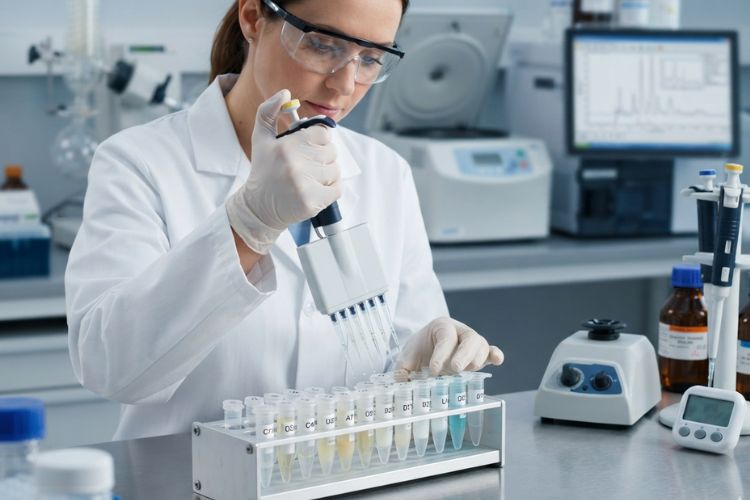
What works well for one peptide may not be suitable for another. Differences in amino acid sequence, molecular structure, formulation, and sensitivity to surrounding conditions can all affect how a sample behaves during storage.
This is why compound-specific information matters when choosing and handling research materials. When reviewing research peptides for sale, researchers can consider details such as purity documentation, product specifications, and available handling information before selecting materials for laboratory work.
Final Thoughts
Maintaining peptide stability starts with understanding what can cause a sample to change. Temperature, moisture, oxygen, light, pH, and handling can create conditions that encourage oxidation, hydrolysis, aggregation, or other forms of peptide degradation.
The importance of each pathway varies from one compound to another. Treating stability as a peptide-specific issue, rather than applying one rule to every sample, gives researchers a stronger foundation for maintaining consistent research materials.
FAQs
What is peptide stability?
It describes how well a peptide maintains its expected chemical and physical properties under particular conditions over time.
What can cause research peptides to break down?
Several conditions can affect a peptide over time, including heat, humidity, oxygen, light, and unsuitable pH levels. The impact of each factor varies depending on the compound.
Do peptides usually last longer in dry form?
Keeping a peptide dry can limit reactions that depend on water. However, its overall stability also comes down to its structure, formulation, and surrounding conditions.
Can a peptide change without looking different?
Yes. Some changes happen at the molecular level and leave no obvious signs. A sample may still look normal even when its original composition has shifted.
How is peptide stability evaluated in research?
Researchers can use techniques such as HPLC and mass spectrometry to examine purity, molecular characteristics, and possible changes within a sample.